
If your landlord dies, your lease doesn’t end. In nearly every state, a lease stays in force and passes to the landlord’s estate, then to whoever inherits or buys the property. Keep paying rent on time, keep proof of every payment, and wait for the estate’s representative (the executor or administrator) to tell you in writing where to pay. If you’re month-to-month, the new owner can end your tenancy, but only with the proper legal notice.
What to do first
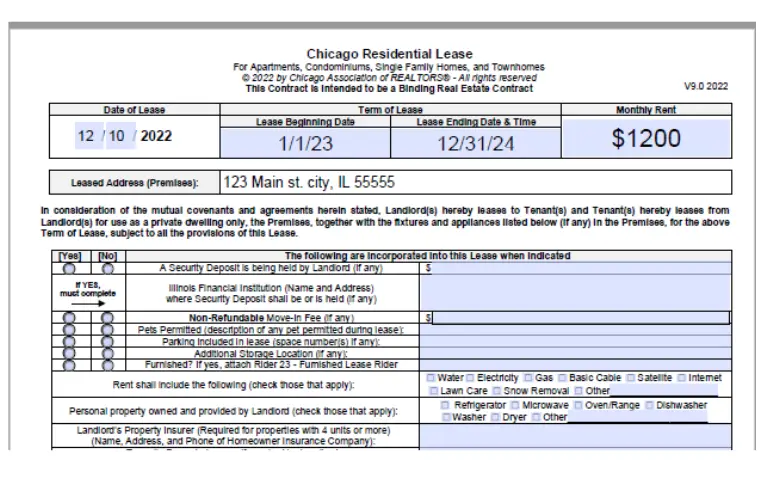
- Find your lease and any written agreements, and note when it ends.
- Gather proof of payment: bank records, Zelle or Venmo history, canceled checks or receipts.
- Find out who is handling the estate. A family member, property manager or attorney will usually reach out. If no one does, you can ask the family, or search your county’s probate court records for the landlord’s name to find the executor.
- Keep paying rent. Not paying is still grounds for eviction. If you don’t know who to pay yet, set the rent aside each month so you can pay it in full the moment you do.
- Get payment instructions in writing before sending money to anyone new. Unfortunately, scammers sometimes target tenants of a landlord who just died.
Does a lease survive the landlord’s death?
Yes. A lease is tied to the property, not to the landlord personally. When the landlord dies, the estate steps into the landlord’s shoes, and whoever ends up owning the property later takes it subject to your lease. They have to honor the rent, the end date and the other terms you agreed to.
When the lease ends, the new owner can offer you a renewal or decide not to renew, following your state’s notice rules. If you keep paying and they keep accepting rent after it ends, you’ll usually become a month-to-month tenant.
What if I don’t have a lease?
Then you’re most likely a month-to-month tenant, and you still have rights. The estate or new owner can end your tenancy, but they must give proper written notice. In many states that’s 30 days, but it varies:
- Some states require 60 days or more if you’ve lived there for over a year. California, for example, requires 60 days after a year of tenancy.
- Some states and cities have “just cause” eviction laws that limit when a landlord can end a tenancy at all.
- Notice often has to line up with your rental period, typically ending on the day before rent is due.
Check your state’s landlord-tenant law or call your local tenant rights organization for the exact rule where you live.
Who do I pay rent to?
Pay the person legally in charge of the property. While the estate is being settled, that’s usually the executor named in the will or an administrator appointed by the probate court. Later, it’s the heir or buyer who takes ownership.
- Ask for a copy of their court appointment papers (often called “letters testamentary” or “letters of administration”) before paying someone new.
- Pay by a traceable method, never cash.
- Keep every receipt and message.
What happens to my security deposit?
Your deposit doesn’t disappear. The estate, and later the new owner, is responsible for returning it under your state’s rules when you move out. Some states and cities require landlords to keep deposits in a separate account, which makes them easier to track down. Chicago is one example. Others don’t.
Write down how much you paid and keep proof of it. If you can, send the executor a short letter or email confirming your deposit amount so it’s on record with the estate.
What if the property is sold?
It’s common for heirs to sell. Many didn’t plan on becoming landlords, or need to divide the estate. A sale doesn’t cancel your lease. The buyer takes over as your landlord with the same terms.
If the heirs or buyer want the unit empty before your lease ends, they need your agreement. That gives you leverage. It’s reasonable to ask for a “cash for keys” deal, such as your full deposit back, moving costs, or a month or two of rent, in exchange for moving out early. Get any agreement in writing before you move.
Can repairs and maintenance stop?
They shouldn’t. The estate is responsible for keeping the property habitable. Send repair requests in writing to whoever is managing the estate. If something urgent like heat, water or a safety issue isn’t fixed, contact your local housing or building department.
Bottom line
Your landlord’s death doesn’t change your rights. Keep paying rent to the right person, keep records, honor your lease and expect the new owner to honor it too. If you’re month-to-month, you’re entitled to proper written notice before you have to leave.
This is general information, not legal advice. Rules vary by state and city.
Related: how much a security deposit is and how to get it back.
Related guides: What Can I Do If My Landlord Enters Without Permission and Renters Insurance.

Just asking that the properties is not yet pay to housing mortgage and the landlord death, the hier will claim so that our payment will come to them.
On transaction of payment in the housing mortgage
What shall I do
Landlord past away roughly five months ago. Ive been waiting for a letter or someone to.stop by about the house, But nothing. I dont know of any famly he had. I havent heard from anyone about the property. Ive asked people around me. They said he kept to himself and they dont know of any famly. What do i do?
Hi Sean, sorry for the slow reply, and I’m sorry you’re dealing with this. Keep paying rent if you know where to send it, or set it aside each month so you can pay it in full when someone comes forward. Search your county’s probate court records for the landlord’s name to see whether an estate was opened and who the executor is. The county recorder or assessor’s office can also tell you who owns the property now. If nothing turns up, a local legal aid office or tenant rights group can tell you what your state requires. Keep a record of every step you take. – Rachel
Weve been renting a unit for 6 years we were paying the lady he was dating until we found out the house was in foreclosure and has been for years. The lady raised our rent during pandemic and she has posted dozens of ” notices ” on our door. She shows up at any time of the day or night she has no rights to the house and we’ve been paying her a lot of money. She has now had electric and water turned off. What do we do?
Our landlord died
Hi Janis! Cande from Apartment Survival here! In this particular case I would recommend you to get in touch with a lawyer as soon as possible so he can analyze your situation and determine next steps to move foward.
My lanlord has die from covid and Her Family is Selling the home. I have been living in for the pass Ten year and now I am going to lose everything.. I can’t afford to move or buy or rent.. I need help…..
What happens when landlord dies and no one come to claim the property